From Farm to Oil: Evolution of Plant Medicine-A Spotlight on Lemon

From Farm to Oil: Evolution of Plant Medicine-A Spotlight on Lemon

The essential oils that we know and love are derived from plants, but this does not necessarily mean that the therapeutic benefits or uses from the plant to essential oil are the same. In many cases, this does not hold true. There are many recipes online utilizing essential oils that do not honor chemistry and do not focus on safe use. Sustainability is also a massive concern as more and more people are stepping into the essential oil community every day. It is not necessary to use oils every day, or in everything. When we see a recipe shared online, we must ask ourselves if it is necessary, shifting the way we currently see these beautiful resources. From Farm to Oil: Evolution of Plant Medicine-A Spotlight on Lemon


My goal in this series of blogs is to celebrate plants in all of their glory. I will walk you through from farm to oil. Uses, limitations, and fun recipes of each botanical will be covered. Within each article, I will discuss the herb, flower, fruit, seed, root, or bark, and finally, the oil. This will be informative and most importantly, FUN!


Lemons, Juicy and Sweet…. (Citrus limon)


The top 5 places in the world where lemons are grown (primarily) are India, Argentina, Spain, and the US (California and Arizona) [1]. When looking at the production of lemons worldwide, the amount of lemons that are grown organically is negligible.


What should we know about conventionally grown lemons? They are sprayed with a lot of pesticides. The pesticides include Imazalil, Thiabendazole, and Sodium O’Phenylphenate (aka Orthophenylphenate), which are all toxic carcinogens as well as endocrine disruptors [2] [3] [4].


So my first very important point in regards to lemons as whole, fruit or essential oil…buy organic. It really is worth the additional cost.


Limonene


The main constituent in a lemon that we look to use for our health is limonene. Limonene has many benefits, and there have been many studies involving this constituent that shows that it does, in fact, have great promise. Limonene is found in the peel of the citrus fruit. Citrus essential oils are either steam-distilled or cold-pressed and will contain a high amount of limonene.


Now, before your mind goes down the rabbit hole, as you can easily find misinformation online in regards to lemon essential oil, we need to address the method of use from fruit to oil, as that oftentimes is where the message gets lost in translation when it comes to this juicy fresh citrus fruit.


Antioxidants


We all want to obtain antioxidants in our diets. Antioxidants devour free radicals. Now, it is important to understand that if we are breathing oxygen, we are creating free radicals, so reality is important too. So…free radicals…in small quantities, not a huge concern, but in excess they will accelerate aging and can lead to all sorts of negative health problems. And since we are being bombarded from all sides with pollution of some sort, we need our liver performing optimally at all times. Consuming foods rich in antioxidants will go a long way towards your optimal health.


Enter lemons, which are very rich in antioxidants, due to both the limonene content as well as the vitamin C content. Thoroughly washing your organic lemons and placing a slice in your water every day is quite healthy, or go one step further. Use the juice of a ½ a lemon in a tall glass of water and you have obtained 25% of your recommended daily allowance (RDA) of vitamin C [5]. Did you think one step further meant place the essential oil in your water? Well, you will never hear that advice from me, more on that shortly. Just remember to take care of the enamel on your teeth if you drink lemon juice in your water daily, as lemons are very acidic in nature. Rinsing well with water after your drink is a good precautionary measure.


Using the Fruit


Want a sweet treat without the guilt? This is a perfect summery treat, one that a friend recommended I try when she saw a bowl of organic lemons on my counter.


Raw Lemon Meltaways

Makes about a dozen (unless you opt for the larger silicone cups)

*I usually triple this recipe and keep some in the freezer

Adapted from DETOXINISTA

Ingredients:

Raw cashew butter 1/2 cup
Freshly squeezed lemon juice 3-4 tablespoons
Raw honey 2 tablespoons
Coconut oil, melted 3 tablespoons
Pinch pink Himalayan sea salt
Lemon zest from the fresh squeezed lemon 2 teaspoons

Mini paper baking cups (I prefer these silicone cups)

Directions: Mix until smooth and creamy and pour evenly into baking cups on flat cookie sheet. Sprinkle the zest over the top. Place in freezer for 30-45 minutes. Serve frozen, they will ‘melt’ at room temperature.
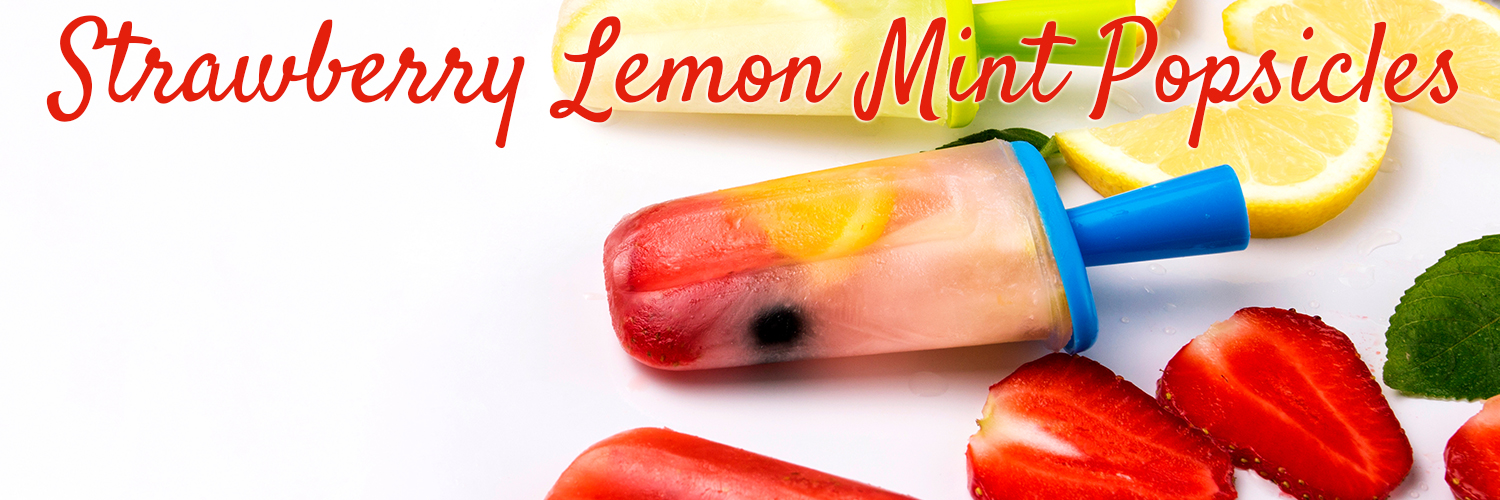


Lemon Strawberry Mint Popsicles

Adapted from LiaGriffith

These molds are just perfect, and BPA free

Warm water 1 cup
Cold water 1 cup
Raw honey 1/2 cup

Mint leaves, 5-6 sliced in thin strips
Lemon juiced 1
Strawberries, thinly sliced

Warm one cup of your water on the stove to melt the raw honey. Add to a stainless steel or glass bowl to cool quickly (add a few pieces of mint to the warm water). When cooled, add the rest of the water and lemon juice.

Place the strawberry slices and mint evenly in your molds, and pour your liquid mixture in. Freeze.

These are so incredibly delicious, without the unhealthy sugars or food coloring.


I encourage you begin to think more about where you can use the nutrient dense fruit before reaching for the essential oil.


When the Essential Oil is Helpful


We can utilize the essential oil to bounce back from illness much quicker alongside quality nutrition, hydration, and rest. Try this blend in a diffuser:


Immune Strong


Lemon (Citrus limon) 5 drops
Palmarosa (Cymbopogon martini) 3 drops
Tea Tree (Melaleuca alternifolia) 1 drop
Lavender (Lavandula angustifolia) 1 drop

This amount of drops is suitable for a 400ml water reservoir diffuser. Adjust accordingly for your diffuser.


Citrus Burst Foaming Hand Soap (Approximately 1.5% dilution)


When looking at formulating hand soap, there is a safe way and an unsafe way. If you do not add some type of preservative, you will grow mold and other nasties in your pump bottle. I like to be crunchy and green whenever possible, but safety can easily trump that in specific cases. This is one of these cases.

In a foaming pump bottle (8 oz), fill halfway with distilled water (always add the water before the soap). Next add castile soap, leaving a good inch at the top of the bottle, you’ll need to leave ample space to put on pump top without causing spillage.

Now add:

Lemon Steam-distilled (Citrus limon) 30 drops
Orange sweet (Citrus sinensis) 25 drops
Mandarin red (Citrus reticulate) 15 drops
Carrier oil of your choice ½ teaspoon (helps to emulsify and prevent skin drying)
AMTicide® Coconut [6] Preservative 1 teaspoon

Cover and shake. This smells amazing, will not leave your hands dry, but will leave them clean and germ-free, safely.


Smell the Lemon


The smell of lemon is so incredibly uplifting, so much so that it is an oil of choice (one of a few) in oncology departments to improve quality of life, and to greatly reduce anxiety in patients. This is done in a professional setting, where the essential oils are treated just like medicine, as that is what they are. If you would like to read the study, I have uploaded it so that you can read it in full here.

To be frank, this shows us that essential oils are being used in a hospital setting as complementary care, not a cure for cancer that is shared so often in social media. There have been promising studies in Petri dishes, outside of the human body (in vitro), which is definitely promising. I hope the future is bright in this area, but the reality is, we are not there yet.


Lemon Essential Oil Misconceptions


There are two really big misconceptions that I want to briefly talk about, and provide resources for further reading.


The first ‘myth’ is stating that we can and should be placing drops of lemon essential oil in our water to drink daily. Some suggest a drop, some much more. Is this really logical?


Essential oils are lipophilic, also called non-polar substances, but they are not actually fats. Water, on the other hand, is polar [7]. When looking at things from a chemistry angle, when you have one non-polar substance and one polar substance, it is like a bad date, they cannot get away from each other quickly enough. They stay separate, trying adamantly not to touch. Unlike the dating scene, opposites do not attract here. The oils will sit on top of the water, no matter how vigorously you mix it, or the temperature of the water. Chemistry is chemistry. Learn more about essential oil chemistry, here.


Many people are drinking their essential oils, and this is very unfortunate, as the risk is not fully understood. Why? Long-term studies are not yet available. The reason is that this is a relatively new recommendation, albeit a very prevalent one, so I feel the evidence will begin to show itself in time. In the meantime, are you willing to be part of the experiment?


I firmly stand by the fact that essential oils do not belong in a glass of water without an emulsifier, period.


The second misconception and the reason why it is stated to put essential oils in our glass of water is that essential oils contain nutrients, in the case of Lemon, the claim is often vitamin C.


According to the Oxford Dictionary, a nutrient is “A substance that provides nourishment essential for the maintenance of life and for growth” [8].


The Oxford Dictionary further states that a supplement is “A substance taken to remedy the deficiencies in a person’s diet” [9].


A few key points in regards to this topic are:

1. Steam distillation of plant matter occurs at approximately 100 °C/212 °F [10].

2. Vitamins degrade at very specific temperatures. Vitamin C, for example, degrades right around 70 °C [11]. Notice that this is 30° cooler than the temperature in which plants are distilled.

3. Lemon essential oil is not providing us with anything that we are missing from our daily diet (since there is no Vitamin C present), therefore is not a supplement.


What about the cold-pressed variety you ask? Because the cold pressed variety of essential oil is not performed under heat, it is fair to say that some vitamin C could be present in the oil, although evaporation of the volatile nutrient will definitely come into play here are well. It is very important to remember though, the amounts will be insignificant, definitely not anything to write home about. If you are looking to obtain vitamin C as a true supplement, please consider the fruit.


I know that these are only bits and pieces of a very important puzzle, therefore, I ask that you please take the time to read my detailed article on essential oils and nutrients, here.


Closing


When we take from the earth for nutrition, sustenance, and healing, it is important that we always consider not only the impact of our use but on giving back. In an ideal world, if we all gave back a little bit more than we take, the impact would be massive.


If you are placing lemon essential oil in your water every day, think first and foremost of the possible health implications of this. Always use a critical eye to consider what you were previously told may be flawed. Is further unbiased research needed on your part? Are using these resources every day in this manner supportive of the sustainability of essential oils? Could we utilize the real fruit for a much safer, nutrient-rich alternative? I think the answer to this is a resounding YES!


We need to begin to shift the way we currently see these beautiful resources, for the continued future success of natural healing.


Like so many practices in life, I encourage you to become educated on the proper use of essential oils. When using them, please do so cautiously, understanding that there is often misinformation on the internet. You can be assured that I support only educated and proven resources. While essential oils should not be feared they should be respected and used properly to ensure the safety of the individuals using them.

Please note that I am not a medical practitioner. The content of this website is provided for general informational purposes only and is not intended as, nor should it be considered a substitute for, professional medical advice. Do not use the information on this website for diagnosing or treating any medical or health condition. If you have or suspect you have a medical problem, promptly contact your professional healthcare provider. By using this website, you assume full responsibility and liability for your own actions.


References

[1] Lemon Growing in the Florida Home Landscape. Retrieved from http://edis.ifas.ufl.edu/hs402

[2] Imazalil http://www.pesticideinfo.org/Detail_Chemical.jsp?Rec_Id=PC33040#Toxicity

[3] Thiabendazole http://www.pesticideinfo.org/Detail_Chemical.jsp?Rec_Id=PC34581#Toxicity

[4] O-PHENYLPHENATE http://scorecard.goodguide.com/chemical-profiles/summary.tcl?edf_substance_id=132-27-4

[5] Benefits of drinking lemon water. Retrieved from https://www.medicalnewstoday.com/articles/318662.php

[6] AMTicide® Coconut. Retrieved from http://www.lotioncrafter.com/amticide-coconut.html

[7] Polar vs Non-Polar Molecules: What you Need to Know. Retrieved from https://blog.udemy.com/polar-vs-non-polar/

[8] Definition of a Nutrient. Retrieved from https://en.oxforddictionaries.com/definition/nutrient

[9] Definition of a Supplement. Retrieved from https://en.oxforddictionaries.com/definition/supplement

[10] Distilling Aromatic Plants. Retrieved from https://aromaticstudies.com/distilling-aromatic-plants/

[11] Rahmawati, S., Bundjali, B. Kinetics of the Oxidation of Vitamin C. Retrieved from http://www.researchgate.net/publication/228484005_KINETICS_OF_THE_OXIDATION_OF_VITAMIN_C


Resources

Sustainability Issues https://naha.org/explore-aromatherapy/sustainability-issues/

The Environmental Impact of Essential Oils http://www.earthisland.org/journal/index.php/elist/eListRead/the_environmental_impact_of_essential_oils/


BEFORE YOU GO! Remember to sign up for my FREE Facebook group! Hang out with me and THOUSANDS of other Essential Oil lovers looking to learn, click on to join Real Essential Oil Education Group!

Check out my FREE offer below!


[et_bloom_inline optin_id=optin_3]
From Farm to Oil: Evolution of Plant Medicine-A Spotlight on Lavender

From Farm to Oil: Evolution of Plant Medicine-A Spotlight on Lavender

The essential oils that we know and love are derived from plants, but this does not necessarily mean that the therapeutic benefits or uses from the plant to essential oil are the same. In many cases, this does not hold true. There are many recipes online utilizing essential oils that do not honor chemistry and do not focus on safe use. Sustainability is also a massive concern as more and more people are stepping into the essential oil community every day. It is not necessary to use oils every day, or in everything. When we see a recipe shared online, we must ask ourselves if it is necessary, shifting the way we currently see these beautiful resources. From Farm to Oil: Evolution of Plant Medicine-A Spotlight on Lavender


My goal in this new series of blogs is to celebrate plants in all of their glory. I will walk you through from farm to oil. Uses, limitations, and fun recipes of each botanical will be covered. Within each article, I will discuss the herb, flower, fruit, seed, root, or bark, and finally the oil. This will be informative and most importantly, FUN!


Ode to Lavender (Lavandula angustifolia)


We can close our eyes and imagine fields of purple flowers in France, swaying in the breeze, intoxicating scent, therapeutically abundant. There are dozens of varieties of Lavender; this article will speak to the more common varieties, high in linalool and linalyl acetate, low in camphor.


Considered a common herb, Lavender is relatively easy to grow in the home garden. It is a perennial that does not require a whole lot of care, or too much water once established, and is used for dozens of things. Therefore, it seems like our responsibility to grow it organically and use it in the home, as it is a plant with growing sustainability concerns.


The following is the definition of sustainable according to Merriam-Webster.com:


sustainable

sus·tain·able 

adjective

  1. Able to be used without being completely used up or destroyed
  2. Using methods that do not completely use up or destroy natural resources
  3. Able to last or continue for a long time


Does it surprise you to know that lavender is a concern? Perhaps this will also shock you; the essential oil market is estimated to exceed $17 billion, rising to $27 billion by 2022 [1]. This is only a rough estimate; I expect it will rise much higher than this. This poses many problems in regards to essential oil production, rising prices, and adulteration.


Dr. Pappas, a well-respected essential oil chemist, stated that Lavender essential oil is in crisis mode, read about it here. Prices will be going up due to supply and demand, and as a result, we will be finding more adulterated oils on the market than ever before.


With all of this in mind, there are a couple things that we can do. Consider growing Lavender at home in pots or in your garden, then you can dry it and use it in a large myriad of ways. Trust me when I say the essential oil is not always necessary.


Try saving the seeds from the plants you grow, so that you can have Lavender year after year, and you can share with your friends! The seeds germinate slowly, so be sure to be patient and start them inside 6-8 weeks before you plan to transplant them outdoors.


I ask that all of you begin to think about where you can use the herb before reaching for the essential oil. Here are a few ideas for you.


Cooking with Lavender


Lavender flowers contain vitamin A, calcium, and iron. When cooked properly, it is simply amazing in baked goods and treats. Here is a healthful recipe for Lavender banana bread.


Ingredients


-Dried Lavender 2 tablespoons
-Melted coconut oil or organic extra virgin olive oil 6 tablespoons
-All-purpose flour (can substitute for a gluten-free flour if needed) 2 cups
-Baking soda 1 teaspoon
-Himalayan or Celtic sea salt 1/2 teaspoon
-Organic, pasture-raised eggs, room temperature 2
-Plain, organic whole-milk yogurt 6 ounces
-Sugar 1 cup
-Raw honey (be sure it is raw honey, not fake honey) ½ cup
-Vanilla extract 1 teaspoon
-Large ripe bananas, mashed 2


Directions


1. Preheat the oven to 350ºF. Line a bread pan with parchment paper.
2. Ahead of time, cook the dried Lavender on med-high heat for about a minute until it begins to release it’s heavenly aroma. Then, turn the heat down to med-low and add the butter to the pan. Cook for one minute, stirring constantly (I have burned this quickly by leaving unattended). Your butter should begin to slowly brown. Once the butter is a medium caramel color, remove from heat. Strain out the lavender through a sieve (unbleached cheesecloth works great); preserve the butter in a small bowl. Reserve only 1 teaspoon of the strained lavender in a separate dish. DIscard the rest.
3. In a medium bowl, combine the flour, baking soda, and salt. In a separate bowl, mix the eggs, yogurt, sugar, honey, infused brown butter, and vanilla. Fold in the mashed banana.
4. Pour the batter into the bread pan and sprinkle the reserved lavender on top but do not mix in, bake for 1 hour, or until a knife inserted in the center of the bread comes out clean.

Save a little for yourself before you share with friends and family….it will go quick!

Source: Reinvented from this recipe from Broma Bakery


Herbal Lavender uses and recipes


Lavender in its dried herbal form is very useful around the home. If you have yet to try a cup of Lavender/Chamomile tea, you are in for a treat. Add a small bit of raw honey and enjoy teatime. Lavender helps to support healthy cortisol levels when under stress, and its sedative properties will also help promote a good nights sleep. Try a cuppa if you have a headache or feel particularly wound up for soothing relief.


Lavender simple syrup


-Purified or distilled water 2 cups
-Fresh or dried Lavender flowers 3 tbsp
-Sugar 2 cups

1. Bring the water and Lavender flowers to a boil.
2. Stir in sugar and mix until fully dissolved.
3. Reduce heat to low, simmer for about 15 minutes.
4. Remove from the heat and allow to cool and steep for 1 hour or more.
5. Strain out the flowers.

Pour into a glass bottle and store in the refrigerator. It will store well for about a week or two.

The recipe makes a very sweet syrup and will yield just about 2 cups.


Why make simple syrup? There are many recipes online for Lavender lemonade. The issue is that the common recommendation is to use Lavender essential oil. Chemistry is not considered here, unfortunately. Remember the basic chemistry 101 lessons in school, oil and water do not mix. The Lavender essential oil (or any oil) will sit on top of the water, which could cause mouth irritation, a stomachache, possible undue stress on our liver, and oil overload when we drink it. *Remember sustainability too! With your easy to make simple syrup, you can now sweeten cocktails, iced tea, and lemonade, easily and safely.


From Farm to Oil: Evolution of Plant Medicine-A Spotlight on Lavender


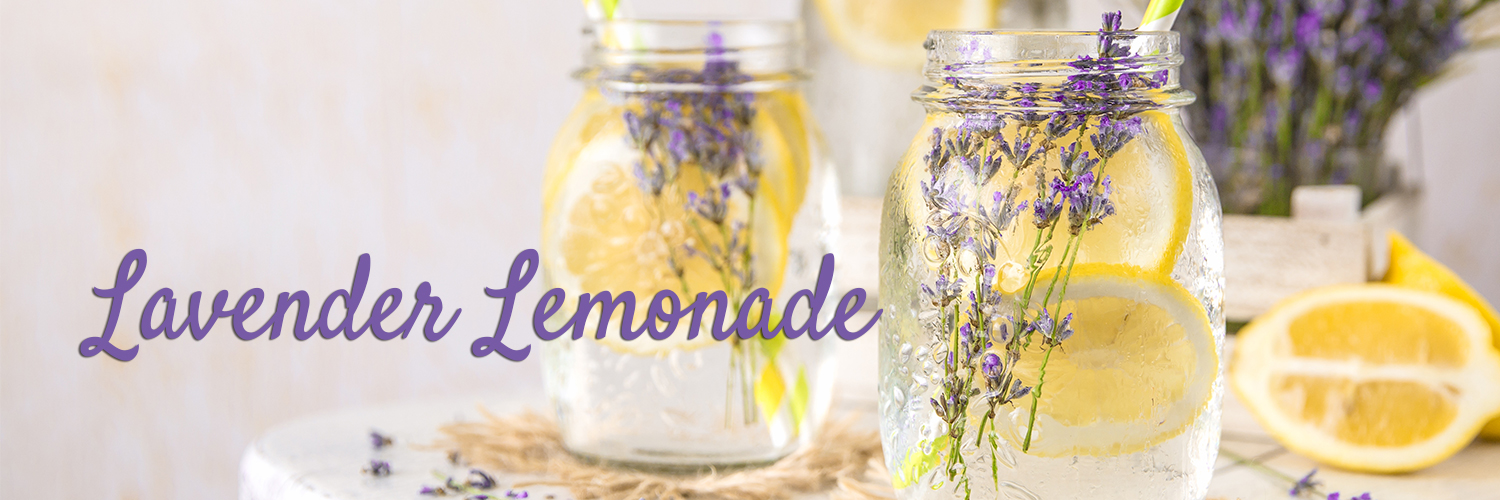
Smashing good Lavender lemonade


In a large pitcher combine:

-Fresh lemon juice, about 8 large lemons or 12 small (3 cups)
-Simple syrup 2 cups
-Purified water 6 cups
-1-2 cups of ice

Blend well. Your friends will rave about this Lavender lemonade, tasty, healthy, and safe.


From Farm to Oil: Evolution of Plant Medicine-A Spotlight on Lavender


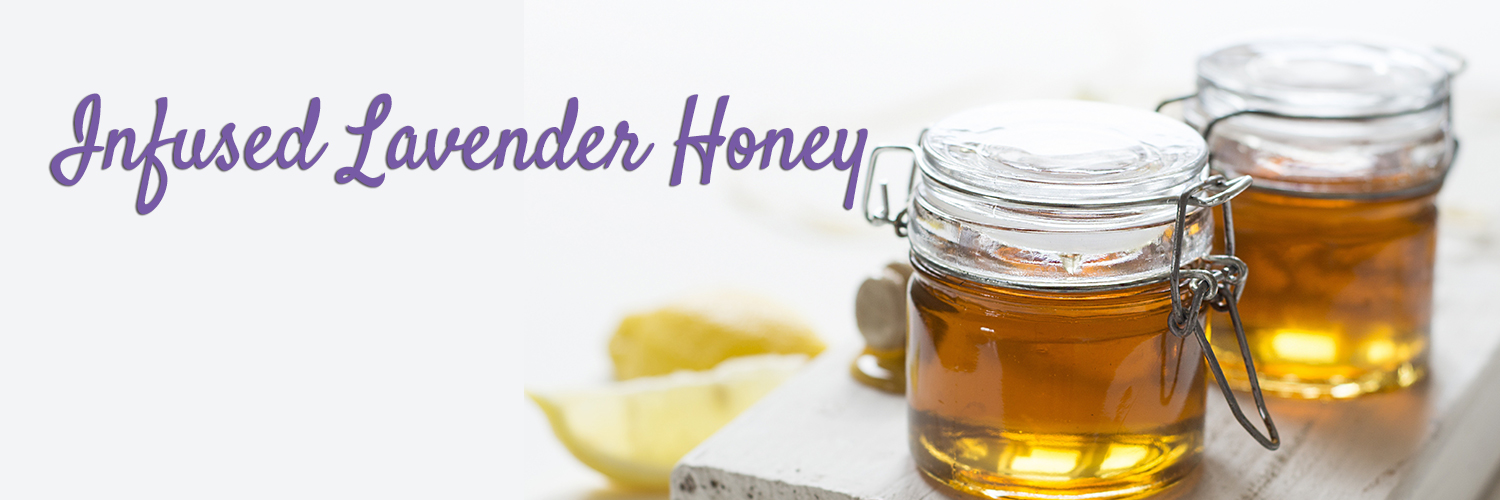
Infused Lavender Honey


Ingredients


-Dried Lavender 2 tbsp (do not use fresh here)
-Honey 1 cup or 8 ounces (I highly recommend local honey)


Equipment


-Sanitized mason jar
-Wooden spoon
-Strainer


Instructions


1. Place herbs in the bottom of the mason jar and fill the jar almost to the top with honey. Using the wooden spoon, stir to coat the herbs with honey. Top off with more honey to fill the jar. Wipe the jar rim with a clean cloth and cover tightly.
2. Let the herbs infuse for at least five days. If the herbs float to the top, turn the jar over a few times to keep them well coated (wipe lid again). For a more intense flavor, infuse for another week or longer.
3. Strain the honey into a thoroughly sanitized jar.
4. Store the honey in a tightly covered jar in a cool, dry place. As long as you use fully dried flowers, this honey will last a very long time, essentially eternally.

This infused honey is soothing in chamomile tea, over yogurt or oatmeal. It will also ease a sore throat, and if you have used local honey…it is amazing to help combat seasonal threats as well!


From Farm to Oil: Evolution of Plant Medicine-A Spotlight on Lavender


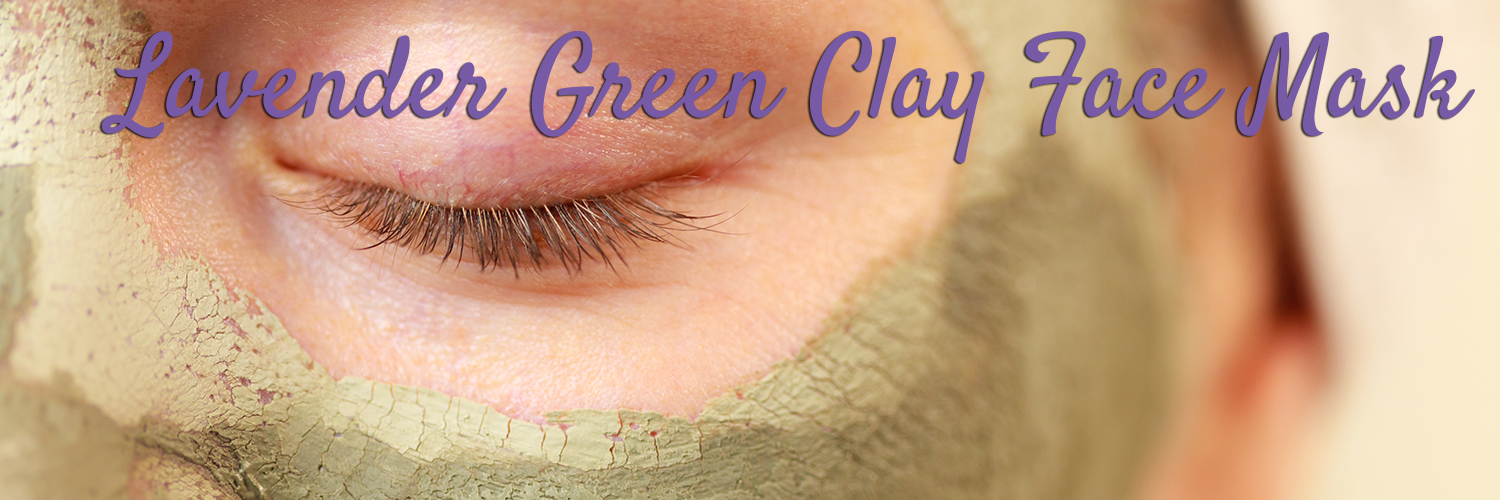
Soothing Lavender Face Mask


Essential oils are great for the face, but when keeping sustainability in mind, it is reassuring to know that the herbs are just as effective, and much more gentle.

Give this a try:

-French green clay 2 tablespoons (deep pore cleansing)
-Lavender flowers 1 tablespoon
-Himalayan Sea salt 1 tablespoon

Grind up in a coffee grinder, and then slowly add purified water (or hydrosol of your choice) until your desired consistency. It should resemble a slightly watered down creamy peanut butter. Apply over face and neck. Allow mixture to begin to harden, but not fully as it will begin to absorb the natural oils on the face (aim for 8-10 minutes). Rinse with cool water, and pat dry. Be sure to moisturize as usual.


When the essential oil is helpful


In applications such as a blissful bath, for example, herbs are wonderful in a muslin bag but may not be aromatic enough. Enter fresh lavender salts. Safety is really important in the bath. There are two reasons why neat oil or just oil and Epsom salts are not recommended.


1. Occluding the skin (covering it) as well as warming via warm/hot water increases absorption [2], therefore, also increases risks for skin irritation with neat or improperly emulsified essential oils.
2. Epsom salts are not an emulsifier, so just utilizing Epsom salts and oils are not the ideal way, and also risks skin irritation. Read more here and here.


From Farm to Oil: Evolution of Plant Medicine-A Spotlight on Lavender


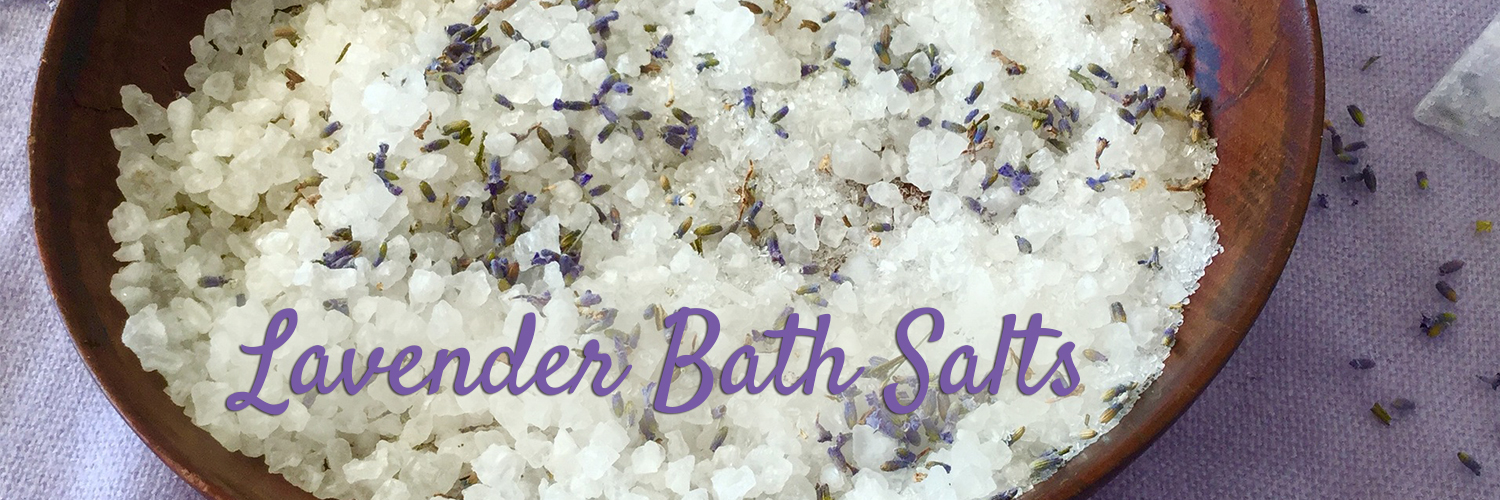
Knock you out bath salts


-Epsom salts 2 cups (one for a child)
-Fragrance-free shampoo 1 tbsp
-Lavender (Lavandula angustifolia) 6 drops
-Chamomile Roman (Chamaemelum nobile) 2 drops
(1/2 the amount of essential oils for a child)


*You can utilize carrier oil in place of shampoo, but the oils will remain on the top of the water. I prefer the shampoo to fully disperse the oils throughout the water.


Smell the Lavender


Anyone that has been lucky enough to stand amidst a Lavender field in bloom knows that it is purely intoxicating. We can add a dried Lavender wreath to the home or a muslin bag filled with dried Lavender to freshen up a drawer or closet, but if we ourselves need to really be calmed and soothed more therapeutically, Lavender essential oil is beneficial.


Aromatherapy inhalers are a great way to use essential oils on the go. You can easily add a few drops to a cotton round and place in your car’s air vent to freshen the car and soothe you if driving makes you anxious or a bit angry at times (I feel you). Here is a great diffuser blend to try when at home:


Lavender diffuser blend


Lavender (Lavandula angustifolia) 5 drops
Clary sage (Salvia sclarea) 3 drops
Bergamot (Citrus bergamia) 2 drops

This amount of drops is suitable for a 400ml water reservoir diffuser. Adjust accordingly for your diffuser.


To this day, Lavender essential oil is the one essential oil that can calm and center me like no other can. I inhale directly from the bottle when needed.


Lastly, over the years, my children have come to me many a night, unable to fall asleep. One drop is all that is needed on a teddy bear, tissue or blanket and they are off to dreamland. Less is more. One drop works great for us all.


Closing


When we take from the earth for nutrition, sustenance, and healing, it is important that we always consider not only the impact of our use but on giving back. In an ideal world, if we all gave back a little bit more than we take, the impact would be massive. If you are looking to purchase an essential oil for a particular use, please do your research to be sure you are not purchasing a dwindling resource. Often times, many essential oils can be used for a common goal. We need to begin to shift the way we currently see these beautiful resources, for the continued future success of natural healing.


Like so many practices in life, I encourage you to become educated on the proper use of essential oils. When using them, please do so cautiously, understanding that there is often misinformation on the internet. You can be assured that I support only educated and proven resources. While essential oils should not be feared they should be respected and used properly to ensure the safety of the individuals using them.

Please note that I am not a medical practitioner. The content of this website is provided for general informational purposes only and is not intended as, nor should it be considered a substitute for, professional medical advice. Do not use the information on this website for diagnosing or treating any medical or health condition. If you have or suspect you have a medical problem, promptly contact your professional healthcare provider. By using this website, you assume full responsibility and liability for your own actions.


References

[1] Global Essential Oil Market: Snapshot. Retrieved from https://www.transparencymarketresearch.com/essential-oil-market.html

[2] Skin Barrier and Transdermal Drug Delivery. Retrieved from http://drugdelivery.chbe.gatech.edu/Papers/2012/Prausnitz%20Derm%20Book%20Chapter%202012.pdf


Resources

Sustainability Issues via NAHA https://naha.org/explore-aromatherapy/sustainability-issues/

The Environmental Impact of Essential Oils http://www.earthisland.org/journal/index.php/elist/eListRead/the_environmental_impact_of_essential_oils/


BEFORE YOU GO! Remember to sign up for my FREE Facebook group! Hang out with me and THOUSANDS of other Essential Oil lovers looking to learn, click on to join Real Essential Oil Education Group!

Check out my FREE offer below!


[et_bloom_inline optin_id=optin_3]