
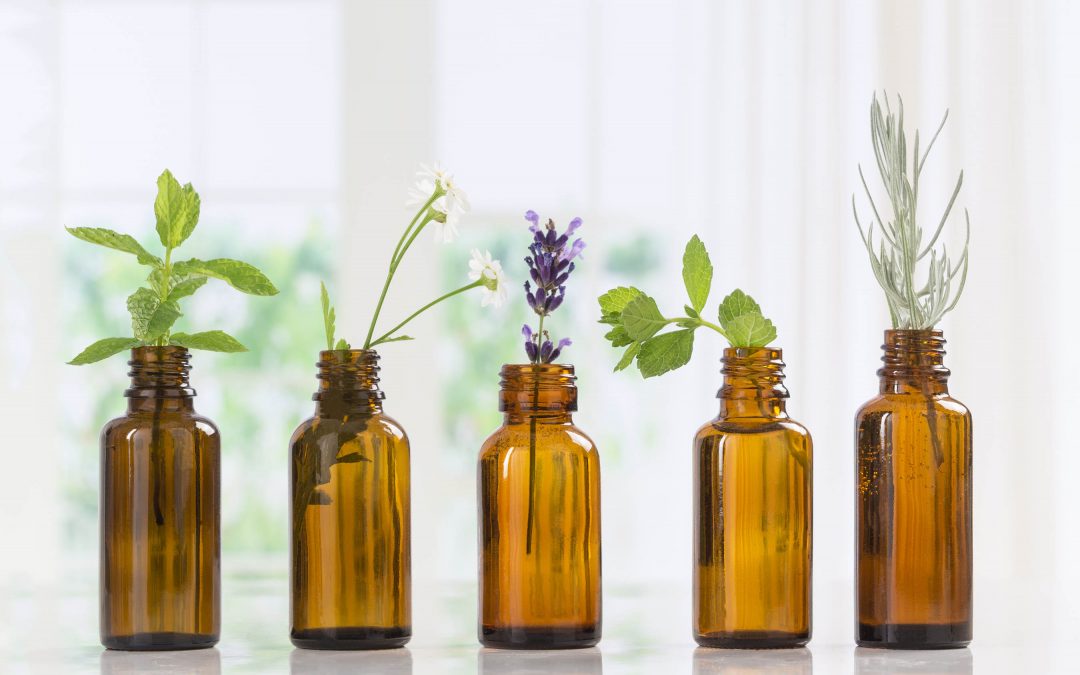
Navigate Difficult Changes with Essential Oils

Navigate Difficult Changes with Essential Oils

How can we navigate difficult changes with essential oils? Chronic worrying can lead to anxiety, panic, and essentially leave your nervous system unregulated and completely on edge. Sometimes you may feel like it is an endless roller coaster that you cannot get off of.


The one thing that causes concern for our overall health, is that a chronic worrier has their fight or flight response continually activated, we can easily fall outside of fight or flight, and into freeze. This falls into a term called allostatic load, or overload as the case may be.


What is Allostatic Load?


Allostatic load is “the wear and tear on the body” which accumulates as an individual is exposed to repeated or chronic stress (1).


I think we are all there right now. At least at some point in our day. The sympathetic nervous system switch is stuck in the on position, resulting in symptoms (not all-inclusive) such as:


-Physically and mentally unable to sit and relax
-Anxiety (heart palpitations/increased BP, irritability, headaches, insomnia, startle easily)
-Acid reflux, stomach aches, poor digestion,
-Chronic muscle tightness and pain
-Increased skin rashes
-Lack of productivity, forgetfulness, hopelessness, apathy, worry, paranoia
-The sensation of a lump in your throat or increasing clearing of your throat (related to acid/GERD)


I had a number of these over the last couple of weeks. I have a very clear pattern in my personality, my soul……worry…..anxiety…..introspection….take massive action!


This action is not always about work, not always a to-do list or even goal setting….with this pandemic it is choosing to let go. Choosing to stop gripping. Many people are talking about wanting the world to go back to normal. The world will never be the old normal, but the new. That is actually beautiful in many ways….but there is also a lot of uncertainty and unknown. That is my weakness, but I am slowly making it my greatest strength.


Why? How?


The Universe has always provided for me, always. All I have ever had to do was ask. Not once, not twice….but consistently.


Bring in the practice of abundance, manifesting, asking, praying (in whatever ways works for you), in the grand scheme of things…It is keeping your vibration high. Will you stay there all of your waking hours? A great big NO. We are human, these are trying times….BUT we can let the feelings in, be gentle and compassionate with ourselves..hug ourselves…love ourselves…and move onto the next moment.


How can we move from it? By activating our parasympathetic nervous system as much and often as we can. Read more about that here.


It requires a new way of thinking and living!


It requires living with complete self-awareness.


At times, it requires assistance.


Using Essential Oils to Support our Emotional Wellness

Bergamot (Citrus bergamia) Reach for this gem to help uplift your mind and provide much-needed respite during times of situational sadness and lows.

Black pepper (Piper nigrum) Can assist during the winds of spring when you are beginning to feel ungrounded and anxious.

Chamomile, Cape (Eriocephalus punctulatus) This is by far my favorite of the chamomiles and get help to incite calm when there is great overwhelm.

Cistus (Cistus ladaniferus) also called Rock Rose Is my oil of choice for shock and trauma. It has an affinity for the nervous system, great to use during tumultuous times.

Helichrysum (Helichrysum italicum) can really go to bat for you if you are feeling anxious and worried. It increases feelings of compassion for self and others with its beautiful honey-like aroma.

Laurel leaf (Laurus nobilis) Having trouble thinking positively, or finding the silver lining? Spend some time with laurel leaf to help turn that around.

Mandarin red (Citrus reticulata) Feeling stuck in freeze mode? Do deep breathing exercises with mandarin red by your side. The aroma will help when you are feeling stuck.

Palo Santo (Bursera graveolens) Call in protection during meditation for yourself, your family, and the earth using Palo Santo. The aroma helps bring great focus and concentration, enhancing meditative practices.

Ruh Khus (Vetiveria zizanoides) This green and heady essential oil, also called wild vetiver is amazing artfully blended to help with irritability, overthinking, and promotes restful sleep.

This is just a very small portion of the essential oils that we can look to help us in times of need. Check out the many others in my latest book, grab your copy today.


Reference

(1) Allostatic load. (2020, March 13). Retrieved from https://en.wikipedia.org/wiki/Allostatic_load
Like so many practices in life, I encourage you to become educated on the proper use of essential oils. When using them, please do so cautiously, understanding that there is often misinformation on the internet. You can be assured that I support only educated and proven resources. While essential oils should not be feared they should be respected and used properly to ensure the safety of the individuals using them.

Please note that I am not a medical practitioner. The content of this website is provided for general informational purposes only and is not intended as, nor should it be considered a substitute for, professional medical advice. Do not use the information on this website for diagnosing or treating any medical or health condition. If you have or suspect you have a medical problem, promptly contact your professional healthcare provider. By using this website, you assume full responsibility and liability for your own actions.


Categories of Grief & How Using Essential Oils Can Help


Reference

(1) Allostatic load. (2020, March 13). Retrieved from https://en.wikipedia.org/wiki/Allostatic_load


Complementary Therapies for SAD During the Darkness of Winter

Complementary Therapies for SAD During the Darkness of Winter

Do you start off winter ready to go dormant like the earth, full of promise of contemplation, transformation, and rebirth, only to find Seasonal Affective Disorder (SAD) rears its ugly head mid-February and you are longing for a warm, sunny day? Complementary Therapies for SAD During the Darkness of Winter


I too, struggle with SAD, which slowly begins to creep in mid to late February, so I try my best to get a jump on it before it takes over completely.


What exactly is SAD, what causes it, and what can we do about it, if anything? SAD, or winter funk, is more common than you might think, affecting more than 10,000,000 cases each and every year (1). This affliction is quite similar to depression but is expected like clockwork, in the deep depths of the winter months. The cause is the lack of sunlight, and the symptoms include but are not limited to:


  • Decreased physical activity
  • Difficulty concentrating
  • Feelings of hopelessness and sadness
  • Fatigue/Low energy
  • Increased appetite or cravings for sweet or starchy foods
  • Irritability
  • Not feeling rested in the morning
  • Possible thoughts of suicide
  • Weight gain


How does this look in real life? For me, as the repeat grey cloudy days begin to roll in, I know my symptoms are on their way. Next, I begin to notice that many things bother me that normally wouldn’t, or everything gets assigned a catastrophic level of stress, demanding my attention. Lastly, my typical self-care routine begins to falter and staying on top of it increasingly difficult.


If you have these symptoms that tend to pop up the same time of year, you may be dealing with a case of SAD. Sometimes the symptoms are minor, other times they are more serious. If this is the case for you, please seek the advice of your Healthcare Provider.


What can be done?


Trust Vitamin D

I have learned over the years, that the earlier I begin to take my trusty vitamin d, the longer it will take for my symptoms to increase. Why vitamin d? The sun is our friend. Research suggests that up to 85% of people could be deficient in vitamin D without knowing it… leaving them with less-than-optimal health. Vitamin D is responsible for the regulation of over 2,000 genes in your body! But does low vitamin D levels correlate with increased SAD symptoms? The results are a bit mixed, but I believe it is a correlation worth considering based on the following studies:


Vitamin D deficiency, depression linked in UGA-led international study. (2017, December 12).

and

Brown, J. (2018, October 10). Should everyone be taking vitamin D? 


Before taking massive doses of vitamin d, I recommend getting your levels tested. Otherwise, you can safely take the upper levels of intake found here on Web, MD.


Let the Light Shine In

The next thing I do is find a semi-permanent spot for my light box until spring arrives. Light therapy has been shown to greatly reduce the symptoms of SAD, by nearly all that use it (Light therapy can be used for all types of depression and insomnia) (2).


The theory behind light therapy is that it helps to produce the serotonin that the warm sunshine provides us, which is our feel-good hormone. Deprivation of serotonin has widespread effects on our mood and behavior and sitting in front of a light box can really be of great benefit.


It is important to use a full-spectrum light like those linked below (affiliate links)


VeriLuxe Happylight


Microlight Therapy Lamp


Light Happy Lamp


Look to the Beautiful Yellow Flower

If your SAD is mild to moderate, an herbal remedy that could be very effective for you is St. John’s Wort. If you look at studies of 20 years ago, the evidence was questionable, but a most recent meta-analysis published in 2017 showed that St. John’s Wort is comparable to SSRI’s in cases of mild to moderate depression (3). How does it work? The major components in the plant include hypericin, pseudohypericin, and hyperforin, which work synergistically to increase the activity of brain chemicals such as serotonin and noradrenaline improving overall mood.


St. John’s Wort can be purchased in a capsule or tea form, but my recommendation is in a tincture. I recommend this tincture from Above and Below Apothecary.


*St. John’s Wort can possibly interact with oral contraceptives, anti-seizure medications, and anticoagulants, please do your research.


Highlighted Essential Oils

There are a number of essential oils that can assist during the gloomy grey days of winter. If you have something that works quite well for you stick with it, but if you need a few ideas, these are my top 3 recommendations.


Cardamom

Cardamom is incredibly soothing and nurturing during times of sadness and depression. This oil is also beneficial for the worrier type personality to find stillness from the seemingly endless mind chatter (4). Cardamom blends beautifully with a number of essential oils for our mental wellness including Lemon, Orange, and Rose.


Lemon

Lemon essential oil has been shown to be effective for seasonal affective disorder (SAD) as well (5). An exciting study published in 2016 showed that bright light therapy combined with aromatherapy inhalation was more beneficial than either one alone for treatment for depression, anxiety, and stress (6). Lemon essential oil blends quite well with Bergamot and  Lavender, both of which are beneficial for our emotional state.


Bergamot

My third recommendation for SAD and other cases of mild to moderate depression is Bergamot essential oil. With a warm citrusy and fruity aroma, Bergamot has been studied extensively for its ability to uplift our outlook on those dreary days and is very beneficial for emotional and mental fatigue (7). Bergamot essential oil blends well with clary sage, jasmine, orange, and sandalwood, all beneficial for emotional healing.


This blend is from my most recent book, Emotional Healing with Essential Oils, called Silver Lining Diffuser Blend, formulated specifically for SAD.


4 drops lemon
3 drops mandarin red
2 drops bergamot
1 drop jasmine


Place the appropriate drops essential oils into your favorite diffuser, based on manufacturer instructions. Follow safe diffusing guidelines.


For 99 other applications and remedies for your emotional health, grab your copy today!


I hope that a few of these suggestions resonate with you, sending you all abundant health & happiness…and a lot of sunshine.


Please note that I am not a medical practitioner. The content of this website is provided for general informational purposes only and is not intended as, nor should it be considered a substitute for, professional medical advice. Do not use the information on this website for diagnosing or treating any medical or health condition. If you have or suspect you have a medical problem, promptly contact your professional healthcare provider. By using this website, you assume full responsibility and liability for your own actions. 


References

(1) Seasonal Affective Disorder. (n.d.). Retrieved from https://www.psychologytoday.com/us/conditions/seasonal-affective-disorder

(2) Light therapy. (2017, February 8). Retrieved from https://www.mayoclinic.org/tests-procedures/light-therapy/about/pac-20384604

(3) Ng, Q. X., Venkatanarayanan, N., & Ho, C. Y. X. (2017). Clinical use of Hypericum perforatum (St Johns wort) in depression: A meta-analysis. Journal of Affective Disorders210, 211–221. doi: 10.1016/j.jad.2016.12.048

(4) Shutes, J., & McLaughlin, S. (2018, August 21). Cardamom: Queen of Spices. Retrieved from https://aromaticstudies.com/cardamom-queen-of-spices/

(5) Komiya, M., Takeuchi, T., & Harada, E. (2006). Lemon oil vapor causes an anti-stress effect via modulating the 5-HT and DA activities in mice. Behavioural Brain Research172(2), 240–249. doi: 10.1016/j.bbr.2006.05.006

(6) Dong, S., & Jacob, T. J. (2016). Combined non-adaptive light and smell stimuli lowered blood pressure, reduced heart rate and reduced negative affect. Physiology & Behavior156, 94–105. doi: 10.1016/j.physbeh.2016.01.013

(7) Watanabe, E., Kuchta, K., Kimura, M., Rauwald, H. W., Kamei, T., & Imanishi, J. (2015). Effects of Bergamot (Citrus bergamia(Risso) Wright & Arn.) Essential Oil Aromatherapy on Mood States, Parasympathetic Nervous System Activity, and Salivary Cortisol Levels in 41 Healthy Females. Complementary Medicine Research22(1), 43–49. doi: 10.1159/000380989


My Top 5 Essential Oil Diffuser Recommendations